Glass waste is one of the four core waste streams generated in the UK. Glass is a particularly heavy and delicate waste stream that requires careful handling.
Glass is 100% recyclable and therefore the use of proper recycling methods is key in order to allow this material to fulfil its full potential and life cycle.
Glass waste is formed of a variety of discarded glass materials, often derived from households, manufacturing, the hospitality industry and retail products. Commercial glass waste is different from general glass waste only in that is does not consist of any glass materials from domestic dwellings or households, instead it comes solely from businesses or other commercial operations.
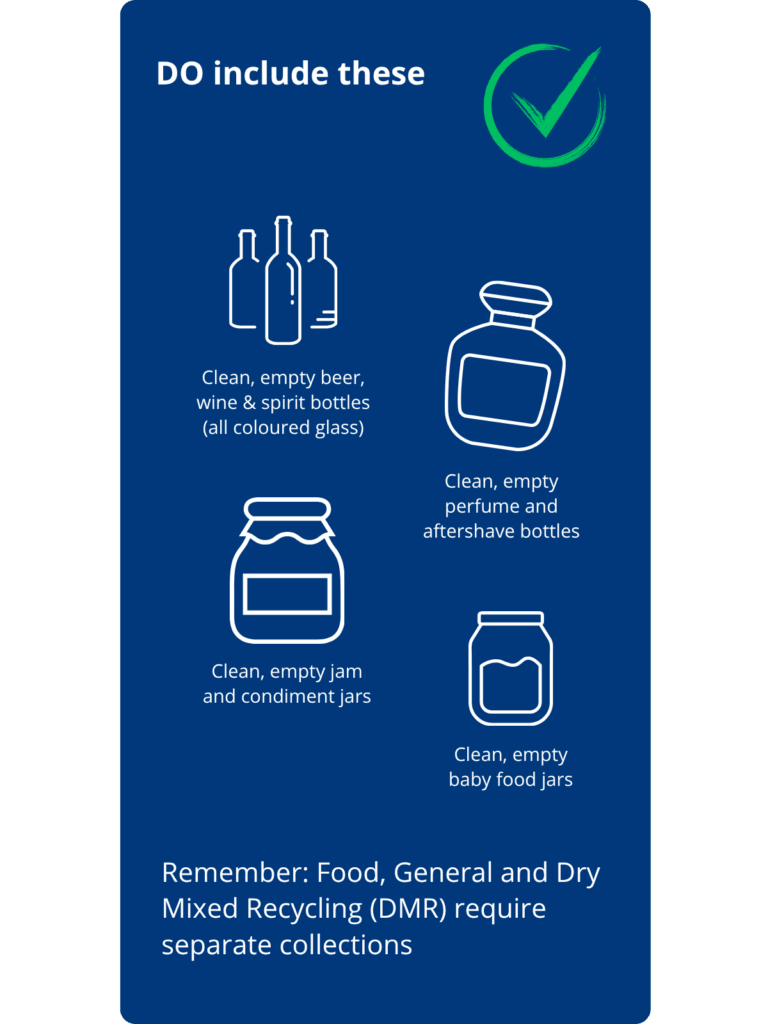
The most common colours of glass waste are clear, brown and green. However, most coloured glass is recyclable.
Ideally receptacles will be cleaned and not spoiled, meaning they no longer store significant amounts of residual materials from whatever the glass previously contained. This allows for the glass to be properly processed and recycled.
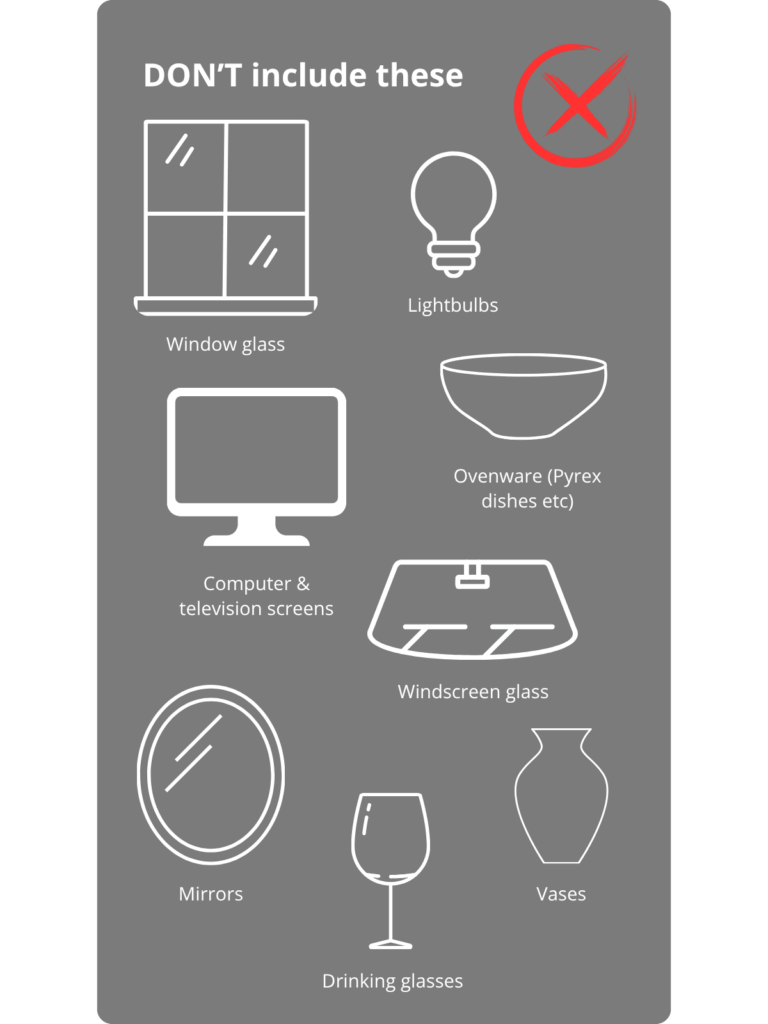
It can be difficult to identify glass for recycling but, these types of glass typically contain different materials to recyclable glass (such as bottles and jars) and therefore cannot be recycled in the same way.
When disposing of this type of glass it is better to separate this from your recyclable glass and treat this as two different waste types.
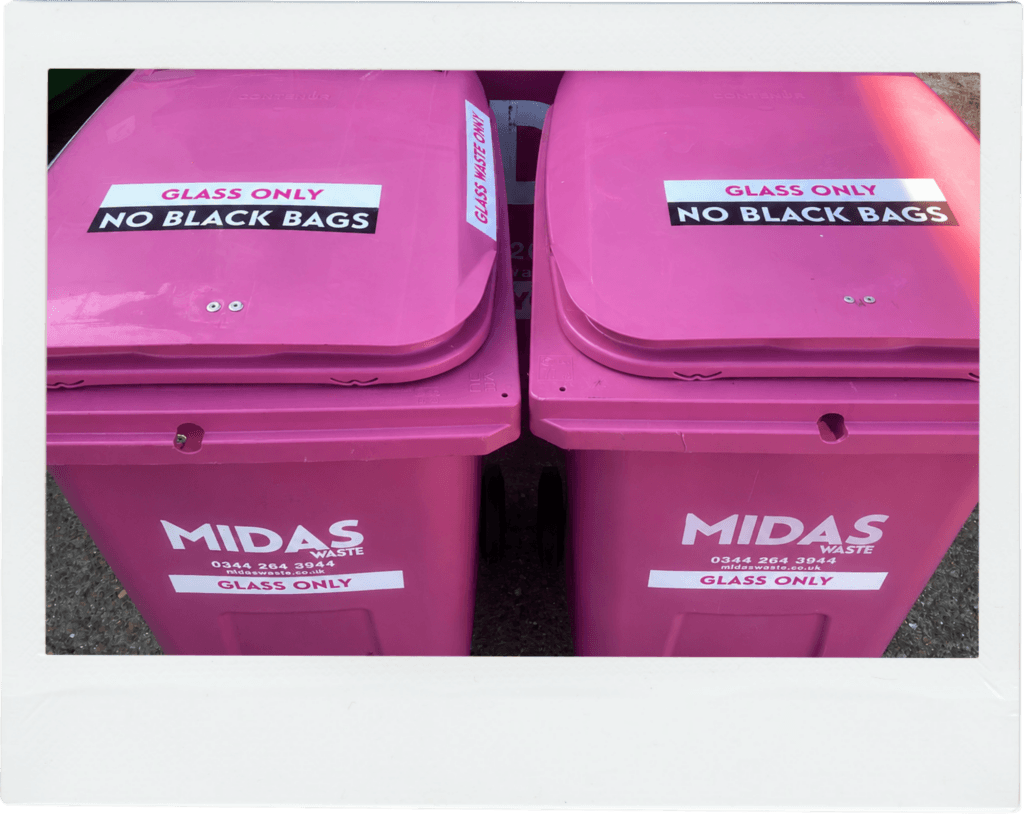
Glass Waste Management is the process of effectively managing the disposal, segregation, collection, and recycling of commercial glass materials.
As with all waste streams, glass waste management requires forward-thinking action from businesses. Commercial Glass Waste is one of the heavier waste streams businesses create (alongside Food Waste) and so the proper segregation and management of glass is key in order to save businesses money and ensure environmental targets are being hit.
Midas Waste are an independent waste management company offering total waste management solutions to businesses across Kent.
Along with food, glass is one of the heaviest waste streams and if not segregated properly can lead to overweight bins. A key issue we often come across at Midas Waste is businesses that are combining their glass and General Waste [insert link] which unnecessarily increases the volume and weight of general waste bins or containers and the frequency of their pickups which increases costs.
We will conduct a full free waste audit that analyses a business’ current practices and identifies areas of opportunity for creating a better waste management system.
For commercial wheelie bin collections we will identify the correct quantity of bins required and the frequency of collections for the amount of glass generated by the business to ensure the most efficient and cost-effective management of your glass and other waste streams.
As well as working with you on efficiencies Midas will deliver clearly labelled glass recycling bins, offer universally recognised iconography, and help you to create and deliver clear messaging throughout your bases to ensure all team members are clear and onboard with best practice.
Midas Waste are a proud zero-to-landfill waste company, meaning we offer a waste management service that is better for your business, better for your environmental targets and better for the planet.
Need help with your commercial glass waste management? Get in touch by giving us a call, filling out our enquiry form or by submitting your request for a full free waste audit.