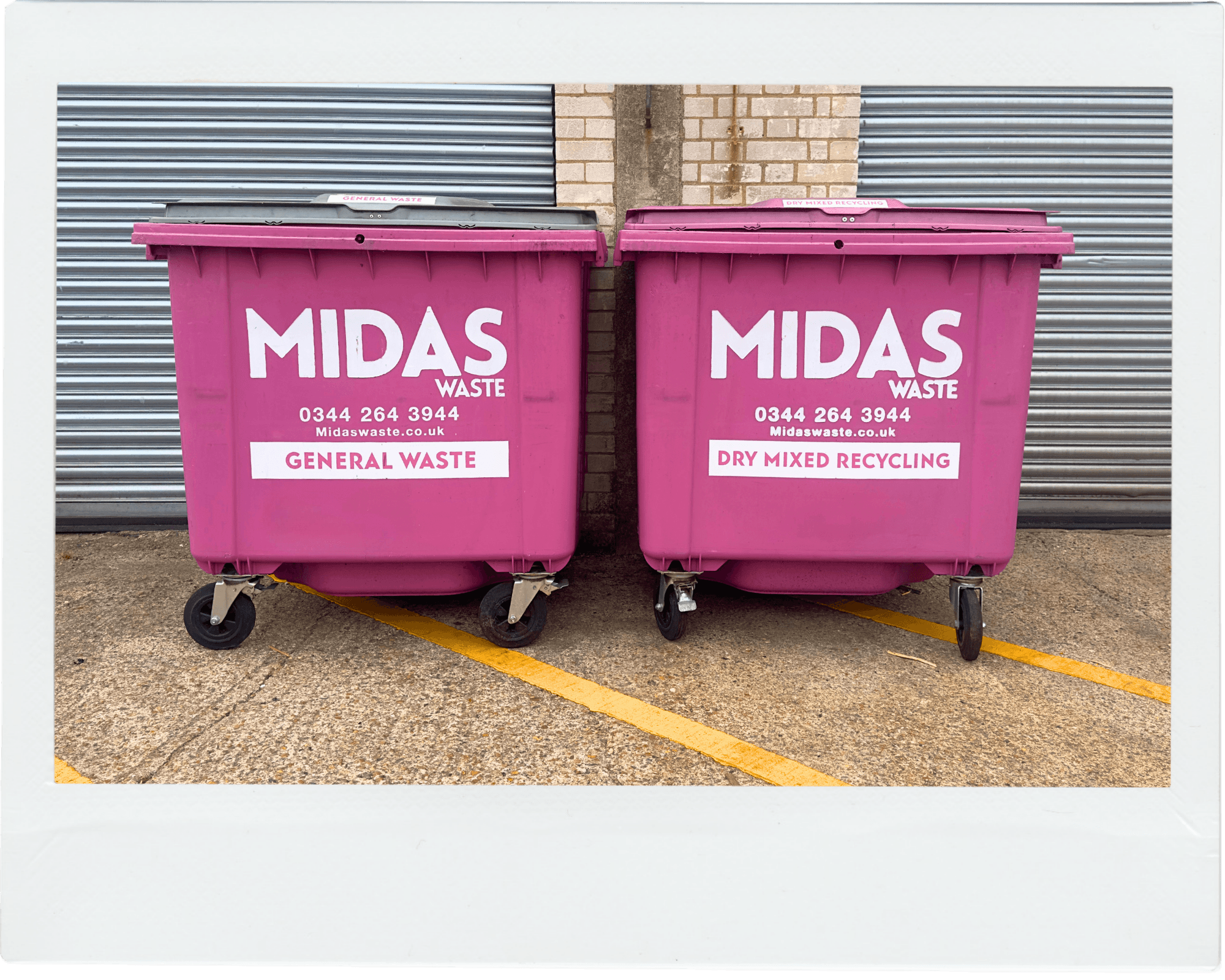
If you’re asking yourself “wait, what is a waste stream?” then don’t worry – you’re in the right place. Different businesses produce different waste materials that require specific handling, recycling and disposal processes. These are called waste streams, and managing them properly helps your business stay compliant, reduce environmental impact and control costs.
General or residual waste is waste that cannot be recycled and is not hazardous. General Waste collected on our dustcarts must be light compactable.
Recyclable materials such as paper, cardboard, plastic bottles and metal cans make up the Dry Mixed Recycling (DMR) waste stream. Glass is collected separately.
The glass waste stream is made up of glass bottles, jars and other glassware (but not Pyrex) and is an important waste stream to offer as a separate collection for sectors such as hospitality.
Food waste encompasses everything from ingredients and plate waste to kitchen scraps and by products of a manufacturing process.

Made up of electrical equipment powered by plugs, cables or batteries, electronic waste includes items such as computers, TVs and other appliances.
Comprised of materials that can pose risks (flammable, corrosive, toxic or ignitable) to health or the environment, hazardous waste includes solvents, chemicals, pesticides and cleaning products.
Building materials such as bricks, concrete, timber, rubble, contaminated soil and construction chemicals make up construction and demolition waste.

Textile waste includes fabric materials such as off-cuts, damaged goods, clothing, carpets and upholstery. This waste stream is often associated within the fashion, automotive and textile sectors.

Sensitive or confidential waste includes everything from business records to private information that requires secure disposal (shredding and recycling, for instance) for data protection purposes.
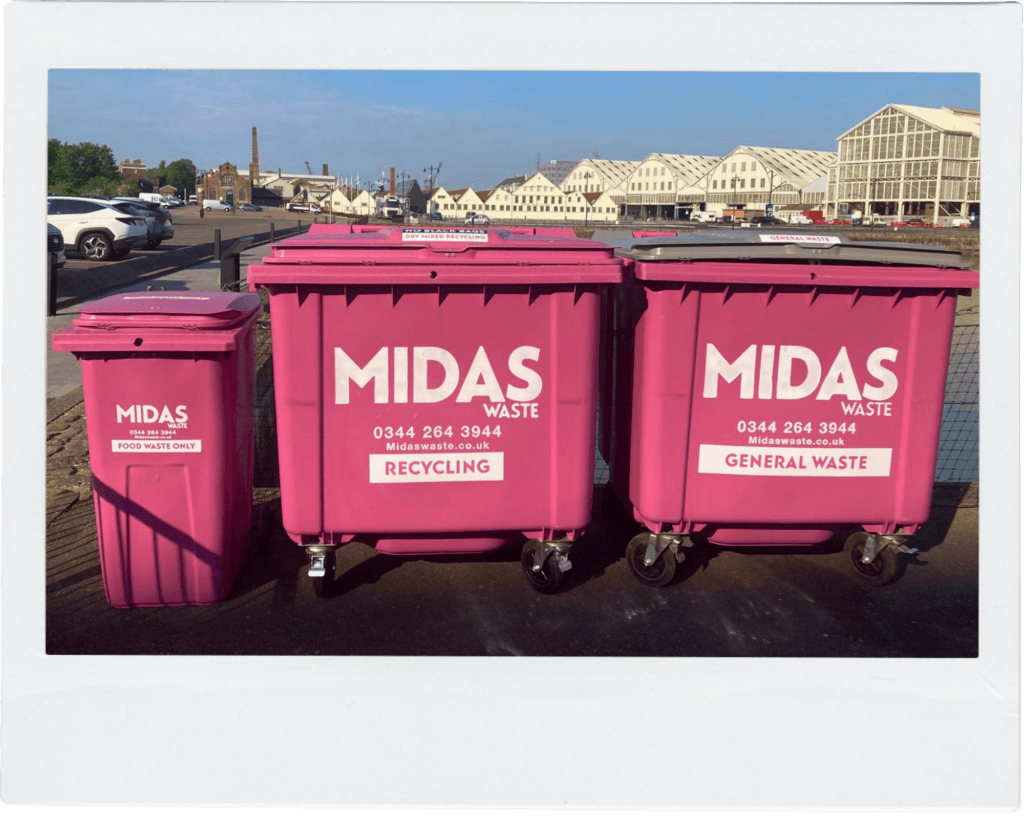
At Midas Waste, we provide professional commercial waste management services across Kent, helping businesses of all sizes manage their waste safely, sustainably and efficiently. We are a family-run waste company, we take pride in offering honest advice, dependable collections and tailored waste management solutions aligned to your business objectives.
Whether you run a shop in Canterbury, a restaurant in Maidstone or a warehouse in Ashford, we will build a waste solution around your business – not the other way around. Midas Waste provides reliable waste material disposal for the following waste streams.
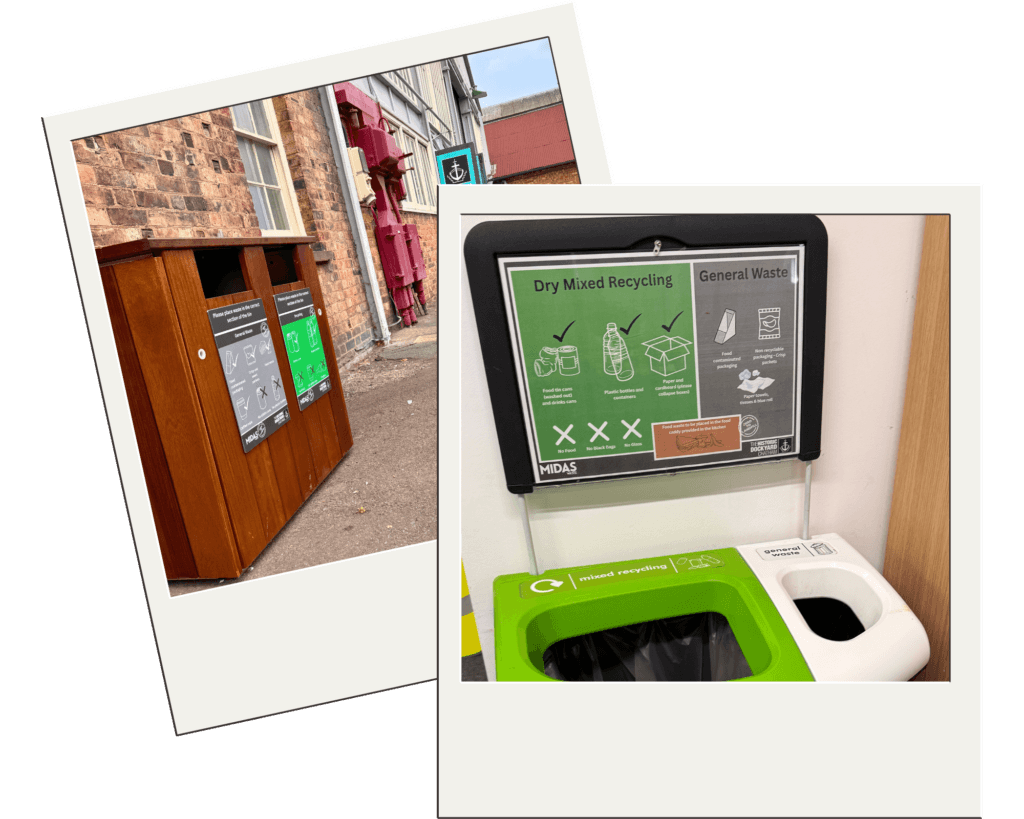
Different waste streams have different requirements when it comes to safe disposal, it is important to understand what these processes look like. The roll-out of the UK’s Simpler Recycling legislation was designed to streamline the collection, segregation, treatment and disposal of different waste streams – but don’t worry, Midas Waste can manage this for you.
As well as ensuring your waste management is compliant with the most recent legislation, Midas Waste can help by educating your team members, providing the appropriate bins and even creating workplace signage and bespoke internal bins to inform and inspire those in your work environment, school, offices or workshop.
Get in touch with Midas Waste to discover how simple waste management can be. By way of bespoke and fully integrated waste management solutions, Midas Waste will take care of every detail so you can get back your business.